
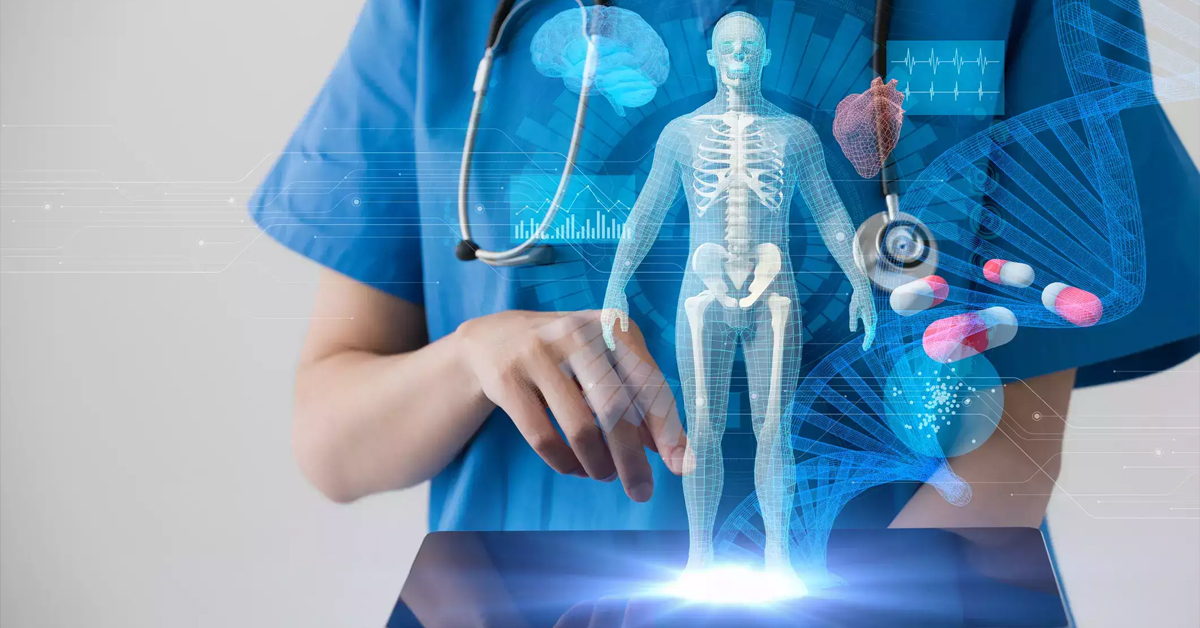
The Future of Medicine: Emerging Technologies and Treatments
The field of medicine is constantly evolving, driven by innovations in technology, research, and treatments. These advances are improving patient outcomes, enhancing efficiency, and even redefining the way we approach healthcare. Here’s a look at some of the emerging technologies and treatments that are shaping the future of medicine.
1. Telemedicine and Virtual Health
Telemedicine has revolutionized healthcare by providing remote consultations, diagnoses, and treatments. Through video calls, health monitoring devices, and online prescriptions, patients can access healthcare services from the comfort of their homes. This technology has proven especially valuable in rural areas, during pandemics, and for managing chronic conditions.
Future Impact: With the continuous improvement in internet connectivity and AI-based diagnostic tools, telemedicine is expected to become more integrated into daily healthcare, offering personalized and timely care at a larger scale.
2. Artificial Intelligence (AI) and Machine Learning
AI is transforming healthcare by enhancing diagnostic accuracy, predicting disease patterns, and assisting in treatment plans. Machine learning algorithms can analyze vast amounts of data from medical records, imaging, and genetic information to detect conditions like cancer, cardiovascular disease, and neurological disorders much earlier than traditional methods.
Future Impact: AI will continue to evolve, enabling faster diagnoses, tailored treatments, and even robotic surgeries, leading to more efficient healthcare delivery and improved patient outcomes.
3. Gene Editing and CRISPR Technology
Gene editing technologies like CRISPR-Cas9 have opened up new possibilities for treating genetic disorders, including conditions like sickle cell anemia, cystic fibrosis, and muscular dystrophy. This technology allows scientists to modify DNA at precise locations, offering potential cures for previously untreatable genetic diseases.
Future Impact: CRISPR and gene therapy could one day eliminate genetic disorders entirely, create personalized treatments for patients based on their genetic makeup, and pave the way for genetically engineered cells to treat various diseases.
4. Regenerative Medicine and Stem Cell Therapy
Regenerative medicine focuses on replacing or regenerating damaged tissues and organs, often using stem cells or other cellular therapies. This field holds enormous potential for treating injuries, degenerative diseases, and even conditions like heart disease, arthritis, and spinal cord injuries.
Future Impact: Stem cell therapies may eventually allow for the regeneration of complex organs, eliminating the need for organ transplants and providing solutions for patients with previously irreversible injuries or diseases.
5. Wearable Health Technology
Devices like smartwatches and fitness trackers are already tracking basic health metrics such as heart rate, steps, and sleep patterns. However, new innovations are taking things a step further with devices capable of monitoring blood sugar, blood pressure, and even detecting early signs of a heart attack or stroke.
Future Impact: Wearable health technology will be able to detect and alert both patients and doctors to early warning signs of health issues, allowing for faster intervention and personalized treatment plans.
6. 3D Printing in Medicine
3D printing technology is enabling the creation of personalized medical devices, prosthetics, and even human tissue. This technology is already being used to print implants, bones, and skin, and has the potential to revolutionize the way doctors approach surgeries, implants, and organ replacements.
Future Impact: The future of 3D printing could include printing fully functional organs, creating customized implants for patients, and providing better outcomes in surgeries with minimal invasiveness.
7. Immunotherapy and Targeted Cancer Treatments
Immunotherapy is a groundbreaking treatment that harnesses the body’s immune system to fight cancer. Unlike traditional chemotherapy, which targets both cancerous and healthy cells, immunotherapy selectively stimulates the immune system to destroy cancer cells.
Future Impact: As research progresses, we can expect even more targeted therapies and immunotherapies that are highly specific to individual cancers, leading to less invasive treatments and improved survival rates.
8. Nanotechnology in Medicine
Nanotechnology involves using tiny particles to deliver drugs directly to targeted cells or tissues. This precise drug delivery method could minimize side effects and maximize the effectiveness of treatments, particularly for cancer, diabetes, and neurological conditions.
Future Impact: As nanotechnology develops, it could enable highly personalized drug treatments, enhance diagnostic imaging, and improve the effectiveness of vaccines and treatments for a range of diseases.
9. Robotic Surgery
Robotic surgery allows surgeons to perform delicate procedures with more precision and minimal invasiveness. Robots are equipped with enhanced imaging and diagnostic capabilities, allowing for smaller incisions, less blood loss, faster recovery times, and fewer complications.
Future Impact: Robotic surgery will continue to evolve, offering even greater precision and the potential to perform complex surgeries with minimal human intervention, improving outcomes and reducing recovery times for patients.
10. Personalized Medicine
Personalized medicine refers to tailoring medical treatments to individual patients based on their genetic makeup, lifestyle, and environment. With advances in genomics, healthcare providers can create treatment plans that are specific to each patient, leading to more effective and efficient care.
Future Impact: Personalized medicine will become more widespread, leading to highly customized treatments for a variety of diseases, from cancer to rare genetic disorders, and enhancing overall healthcare outcomes.
Conclusion
The future of medicine is full of promise, thanks to the rapid advancements in technology and research. From AI-driven diagnostics and treatments to groundbreaking therapies like gene editing and regenerative medicine, the healthcare landscape is undergoing a transformation that will greatly improve the quality of care. As these technologies continue to evolve, they will offer more personalized, efficient, and accessible healthcare solutions, ensuring better outcomes for patients worldwide.