
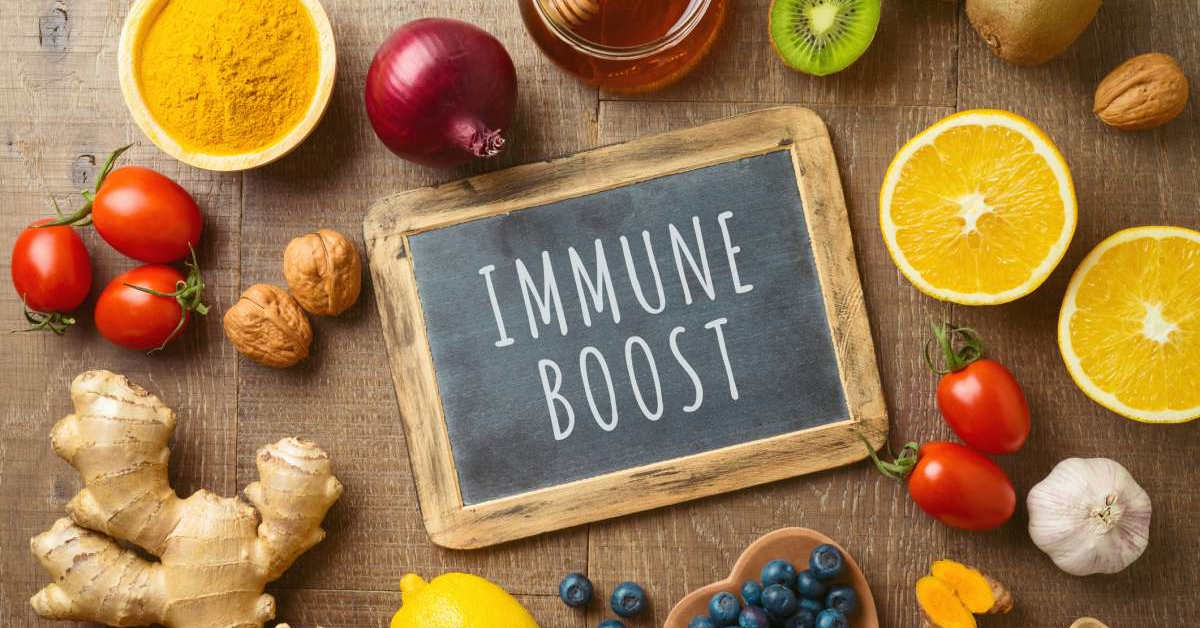
How to Improve Your Immune System Naturally
A strong immune system is vital for protecting your body against infections, viruses, and diseases. While there are many products and supplements that claim to boost immunity, the best way to support your immune health is through natural and sustainable habits. Here are some effective ways to improve your immune system naturally:
1. Eat a Nutrient-Rich Diet
The food you consume plays a major role in your immune system’s health. Eating a balanced diet with a variety of vitamins, minerals, and antioxidants helps strengthen your immune defenses.
- Vitamin C: Found in citrus fruits, strawberries, bell peppers, and broccoli, vitamin C is known for boosting immune function and preventing infections.
- Vitamin D: Sunlight is a natural source of vitamin D, but it can also be found in fortified foods, egg yolks, and fatty fish. Vitamin D helps activate the immune system’s response to pathogens.
- Zinc: Foods like beans, nuts, seeds, and whole grains are rich in zinc, a mineral essential for immune cell function.
- Probiotics: Fermented foods such as yogurt, kimchi, and sauerkraut promote gut health, which is closely linked to overall immunity.
2. Stay Hydrated
Proper hydration is crucial for maintaining a healthy immune system. Water helps transport nutrients throughout your body and aids in the removal of toxins. Aim to drink at least 8 cups (2 liters) of water a day, and more if you’re physically active or in hot climates.
3. Get Regular Exercise
Exercise has a positive impact on the immune system by improving circulation, reducing inflammation, and promoting overall health. Regular moderate exercise, such as walking, jogging, or yoga, helps your immune cells function more efficiently.
Tip: Aim for at least 30 minutes of moderate exercise most days of the week.
4. Prioritize Sleep
Sleep is essential for a strong immune system. During deep sleep, your body repairs itself and produces immune-boosting proteins. Poor sleep or lack of sleep weakens the immune system, making you more susceptible to illness.
Tip: Try to get 7-9 hours of quality sleep each night. Keep a consistent sleep schedule, avoid caffeine and screen time before bed, and create a restful environment.
5. Manage Stress Levels
Chronic stress can suppress the immune system, making it harder for your body to fight off infections. Reducing stress through relaxation techniques can enhance your immune response.
- Meditation: Taking time for mindfulness or guided meditation can calm the mind and reduce stress hormones.
- Deep Breathing: Practice deep breathing exercises, such as the 4-7-8 technique, to relax and lower stress levels.
- Mindful Activities: Engage in activities you enjoy, such as reading, spending time with loved ones, or walking in nature.
6. Avoid Smoking and Excessive Alcohol
Both smoking and excessive alcohol consumption weaken the immune system. Smoking damages the lungs and reduces immune response, while alcohol impairs the ability of white blood cells to fight infections.
Tip: If you smoke or drink excessively, consider cutting back or quitting to give your immune system the best chance to thrive.
7. Increase Antioxidants
Antioxidants help protect your body from oxidative stress caused by free radicals, which can harm immune cells. Foods rich in antioxidants include:
- Berries (blueberries, raspberries, blackberries)
- Leafy greens (spinach, kale)
- Nuts and seeds (almonds, sunflower seeds)
- Green tea (rich in catechins, a powerful antioxidant)
Incorporating a variety of colorful fruits and vegetables into your diet will naturally increase your antioxidant intake.
8. Take Time for Sunlight Exposure
Sunlight is a natural source of vitamin D, which is essential for immune system regulation. Moderate sun exposure helps your body produce vitamin D, which supports immune cell function.
Tip: Aim for 10-30 minutes of sunlight exposure a few times a week, depending on your skin type and location. Just be cautious not to overdo it, as excessive sun exposure can damage the skin.
9. Consider Herbal Supplements
Several herbs are known to support immune health. While they should be used as a complement to a healthy lifestyle, some herbs that may help boost immunity include:
- Echinacea: Known for its ability to reduce the duration of colds.
- Elderberry: Often used to support immune function and combat flu symptoms.
- Garlic: Has antimicrobial properties and may enhance the body’s ability to fight off infections.
- Ginger: Known for its anti-inflammatory and antioxidant properties, ginger can support overall immune health.
Tip: Consult with a healthcare provider before taking herbal supplements to ensure they’re safe for you.
10. Stay Socially Connected
Social interaction and emotional support are important for mental and emotional well-being. Strong relationships and social engagement can reduce stress, promote happiness, and even support immune function.
Conclusion
Improving your immune system naturally involves adopting a holistic approach to your health. By eating a balanced diet, staying active, reducing stress, and getting enough sleep, you can significantly enhance your body’s ability to ward off illness. Remember, consistency is key. Make small, sustainable changes to your lifestyle, and over time, you’ll see lasting improvements in your immune health.